What do you know about screening for neonatal genetic metabolic diseases?

Screening for hereditary metabolic diseases of newborn refers to the rapid, simple and sensitive screening of congenital and hereditary diseases that seriously endanger children’s health in the neonatal period, and effective early detection of some rare hereditary metabolic diseases, and early intervention. Through early detection and early treatment, the diseases can be effectively controlled before the symptoms appear, and irreversible damage caused by these diseases to the development of newborns can be reduced or avoided.
01
What is hereditary metabolic disease?
Inherited Metabolic Disorders (IMD) are diseases caused by genetic defects in the biosynthesis of some enzymes, receptors, carriers and membrane pumps, which are necessary to maintain the normal metabolism of the body. Most of them are monogenic diseases, including congenital metabolic defects such as amino acids, organic acids and fatty acids. There are many kinds of genetic and metabolic diseases, about 2000 kinds have been found, and more than 100 kinds of diseases are added every year. The incidence of single disease is low, but the overall incidence can reach 1/500 of that of live births.

02
What are the classifications of hereditary metabolic diseases?
According to the pathophysiological characteristics and clinical manifestations, genetic metabolic diseases can be divided into the following 15 categories:
● Abnormal metabolism of amino acids and peptides
● Abnormal carbohydrate metabolism
● Abnormal metabolism of fatty acids and ketone bodies.
● Abnormal energy metabolism
Purine, pyrimidine and nucleic acid
● Sterols
● Porphyrins and heme metabolism
● Lipids and lipoproteins
● Congenital abnormal glycosylation and other abnormal protein modification.
● lysosomal disease
● Peroxisome disease
● Neurotransmitter metabolism
Vitamins and (non-protein) -co-factor
● Trace elements and metals
● Metabolic variation and abnormality of exogenous chemicals
03
Clinical manifestations and hazards of hereditary metabolic diseases
Hereditary metabolic diseases have different clinical manifestations according to different classifications and different age stages, which will affect the normal physiological functions of many systems, organs and tissues, as shown in the following table:
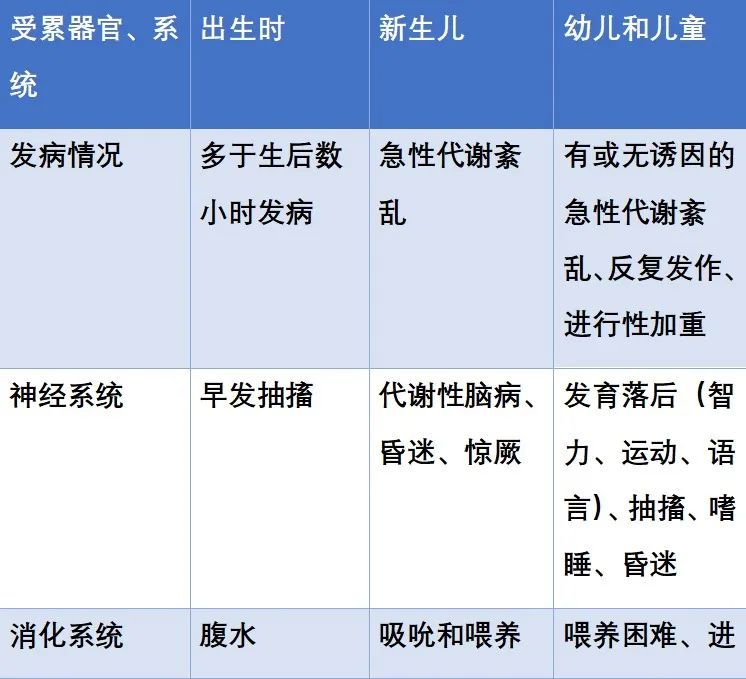

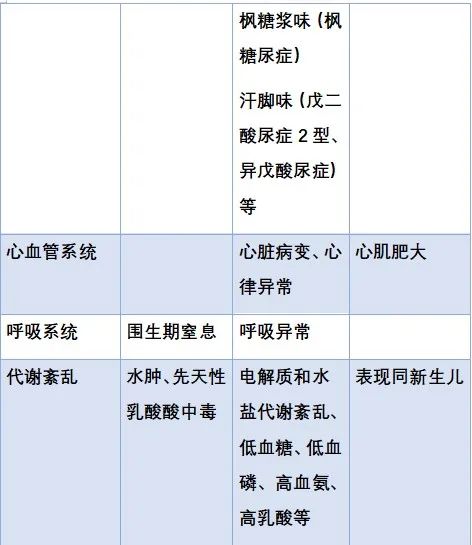
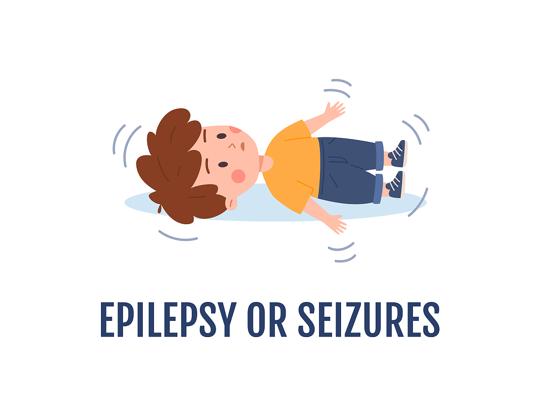
Most hereditary metabolic diseases have no obvious structural abnormalities of organs and systems in the fetal period, which can not be found by ultrasonic examination and common biochemical examination; It is caused by genetic abnormality and cannot be diagnosed by routine chromosome examination; Only through the determination of special metabolites, enzymology or gene analysis can diagnosis be made; There is no difference between children and healthy children at birth. Parents tend to ignore that cases are rare, doctors are prone to misdiagnosis or difficult to diagnose, which may lead to intellectual damage and physical disability. Many of them die before being diagnosed and treated.
04
What are the screening items for neonatal genetic and metabolic diseases?
● Four routine screenings include:
① Congenital hypothyroidism (CH)
② phenylketonuria (PKU)
③ Glucose -6- phosphate dehydrogenase deficiency (G6PD deficiency)
④ Congenital adrenal hyperplasia (CAH)
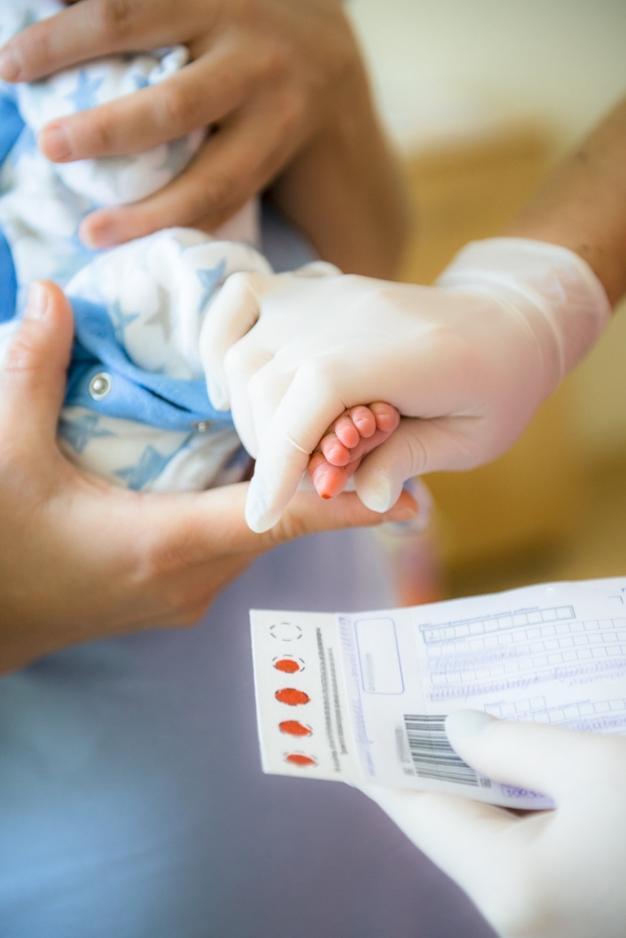
Detection of blood tandem mass spectrometry (MS/MS detection)
05
What is blood tandem mass spectrometry, which genetic and metabolic diseases can be identified?
The application effect of tandem mass spectrometry in the screening of neonatal genetic and metabolic diseases is very remarkable. Its advantages include high sensitivity, high specificity, high selectivity, short screening time and rich screening diseases. It has been widely used in neonatal disease screening at home and abroad. This technology not only expands the spectrum of neonatal disease screening, but also opens up a new field for disease screening. Tandem mass spectrometry can qualitatively and quantitatively analyze various amino acids and carnitine in blood, and quickly screen and diagnose diseases with abnormal metabolism of amino acids, organic acids and fatty acids through the ratio of amino acids, carnitine and corresponding indicators. It is a rapid detection technology with high efficiency, high specificity and high sensitivity.
At present, this technology can screen more than 40 genetic and metabolic diseases at the same time, including 17 amino acid metabolic diseases, 14 organic acid metabolic diseases and 14 fatty acid oxidative metabolic diseases, which is of great significance to reduce the birth defects and mortality of children and improve the quality of the birth population.
06
What are the precautions in screening for neonatal genetic and metabolic diseases?
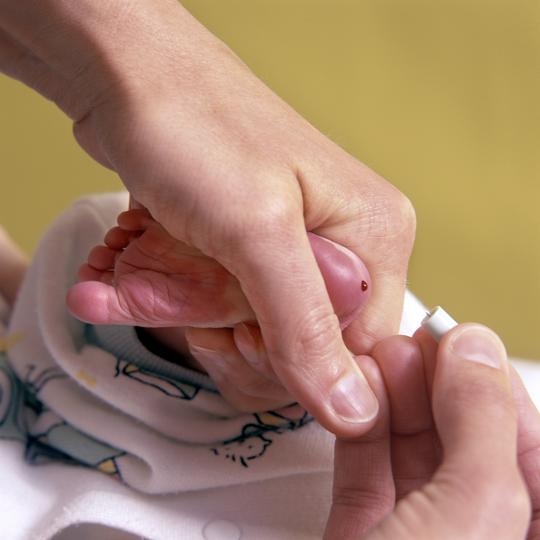
● Blood collection time: Blood was collected after the baby was breastfed for 6 times at the age of 3 days (72 hours). Those who have not taken blood for various reasons, such as premature delivery, low weight and serious illness, should take blood within 20 days.
● Blood collection site: inside or outside the heel of the baby.
● Screening results inquiry: About one month after blood collection, parents can inquire the screening results by themselves in the "Newborn Screening Results Inquiry Card".
● Re-screening and diagnosis: For patients with positive screening results, the neonatal screening center will inform parents to re-examine the children to exclude and diagnose them. Premature birth, low weight, diet and other factors will also lead to false positives, so parents should not be too alarmed when they receive the re-examination call.
● Treatment and follow-up: The newly screened positive cases need further recall and review, further diagnosis, timely treatment, follow-up regular testing and follow-up to evaluate children’s physical growth and intellectual development. Because of the differences among individuals, some children may get false negative results in neonatal screening, so even if the screening results are normal, they need regular health checkups.
Manuscript: Li Zhiying
Original title: "How much do you know about the screening of neonatal genetic and metabolic diseases?"
Read the original text