[Walking into the old district to see the new look] Three Thousand Qifeng witnessed the great changes in the old district and spread the red culture among the green mountains and green waters.
CCTV News:From Luoxiao Mountain Range to Wuling Mountain Range, the mountains and mountains have left the footprints of the Red Army. Next, we will walk into Zhangjiajie, which is located in the northwest of Hunan. It is famous for its unique "3,000 Qifeng and 800 Xiushui", and it is one of the earliest tourist cities in China to go global. In addition to peerless scenery, it is also a "red fertile soil", which was once the core area of Hunan-Hubei border, Hunan-Hubei west and Hunan-Hubei-Sichuan-Guizhou base areas. Now Jiang Wenjing, a reporter from the General Station, is in Zhangjiajie National Forest Park. We will connect with her immediately to see what kind of "red story" there is in Zhangjiajie.
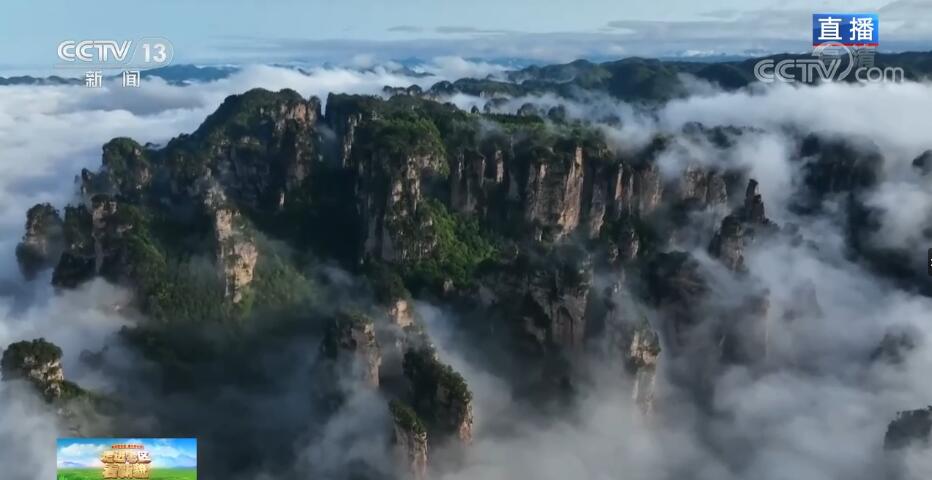
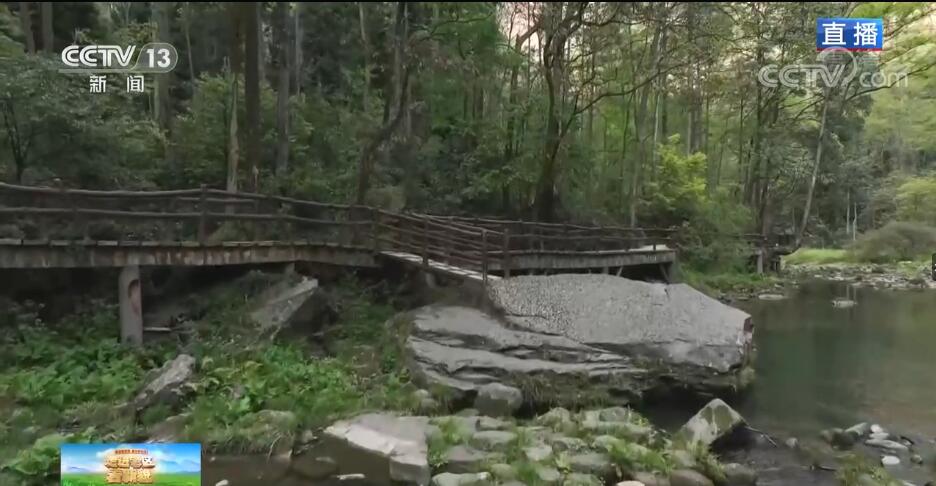
General Station reporter Jiang Wenzhao:At my feet, there is Jin Bianxi, a famous scenic spot in Zhangjiajie. There is a Red Army Road here, which extends from this position behind me to the bottom of Golden Whip Rock. On November 21, 1935, the Red Sixth Army, which set out for the Long March, passed through Jin Bianxi and marched among these steep peaks, completing a key step in strategic shift. Nowadays, the plank road and the Red Army Bridge are built here to commemorate the Red Army. Groups of tourists come here to enjoy the beautiful scenery of Zhangjiajie and listen to the story of the Red Army again and again. According to reports, this year, the scenic spot also plans to further improve this "red tourism" route, create a "red education" classroom in nature, and let the "red culture" spread belt interweave between green mountains and green waters.
The revolutionary spirit left by the Red Army has become a family heirloom for the people’s officers in the old areas to start businesses. This year marks the 40th anniversary of the establishment of Zhangjiajie National Forest Park. I saw an old photo at the theme film exhibition arranged in the scenic spot. This photo was taken in 1977. At that time, due to deforestation and man-made destruction, the coverage rate of Zhangjiajie’s virgin forest was only 10.9%. After continuous afforestation and ecological protection, let’s take a look at the present. This photo was taken in the same location a few days ago, and we can see that the once barren hills have undergone earth-shaking changes.
Beautiful landscapes have brought tourism development, turned the old areas into scenic spots and become a paradise for all living things. Zhangjiajie is rich in wildlife resources. We have seen all kinds of wildlife in Jin Bianxi these days. Baby macaques born this spring are now lively and active, and all kinds of Jin Bianxi small fish can be seen in the clear stream. Now, popular science education activities are also being carried out here. We see a fun punch table here. If the children who come for a spring outing observe the animals and plants on the card in the scenic spot, they can ask their parents to take a photo with their mobile phones and finish punching.

The children all said that they saw the giant salamander. In fact, the scientific name of giant salamander is giant salamander, which lived on the earth 300 million years ago, so it is called "swimming living fossil". The giant salamander has extremely high requirements on the ecological environment, so it is regarded as an "indicator" of good ecological environment. Fortunately, the giant salamander can be seen in the wild in Zhangjiajie in recent years. By the stream, the staff of Zhangjiajie Giant Salamander Protection Center is leading the pupils to return a batch of giant salamanders from the conservation and breeding base to their original homes.
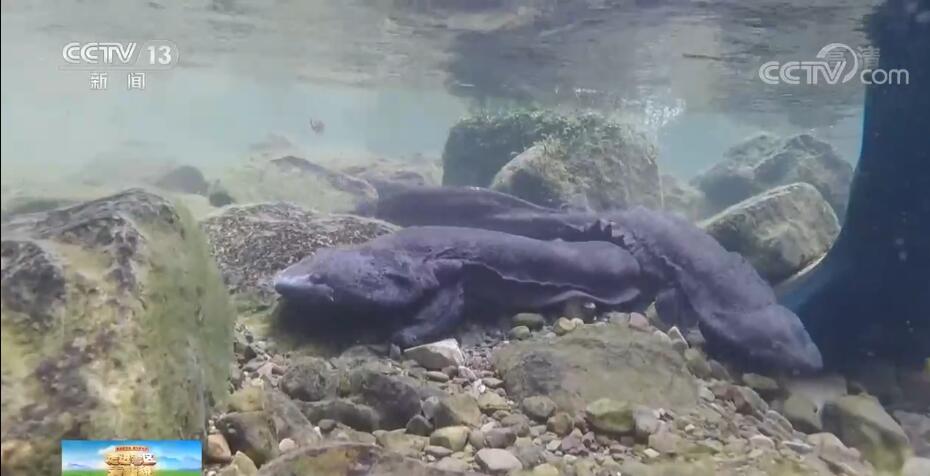
The giant salamanders we see now were born in 2017, and they are five years old this year. Compared with the average life span of giant salamanders, they are still equivalent to the youth of human beings. Giant salamander feels nervous easily, and when it is nervous, it will secrete mucus all over the body, so we will change the big pot into a small one when we release it. Now they are adapting to the temperature of the stream through the basin, and then putting them into the stream. They will look for caves or cracks to hide. Researchers tell us that spring and summer is the key period for the growth and development of giant salamanders. After being released, the patrol team will strengthen the 24-hour inspection, hoping that these giant salamanders can adapt to the wild environment as soon as possible and live well here.