Wen Tiejun: Why is common prosperity a remarkable sign that Chinese modernization is different from the West?
Chinese-style modernization is the modernization of common prosperity for all people. Common prosperity is connected with the "big dream" of the Chinese nation and the "small life" of every family and China people. The difficulty lies in common, but also in common.
The way to govern the country begins with enriching the people. For thousands of years, the Chinese nation has always maintained a beautiful expectation for common prosperity, from "to enrich the country, to support all the people and to give birth to all things" in "Rites of Rites" and "to take a trip to the main road, and the world is for the common good".
Then, why is it said that common prosperity is a remarkable sign that Chinese modernization is different from western modernization? Looking back on the history of Chinese civilization for thousands of years, what kind of historical and cultural genes are there in the concept of "common prosperity for all people"? Since the founding of New China, what important measures has China formulated and implemented for ethnic areas? Recently, Tao Zhonghua interviewed Professor Wen Tiejun on this topic.
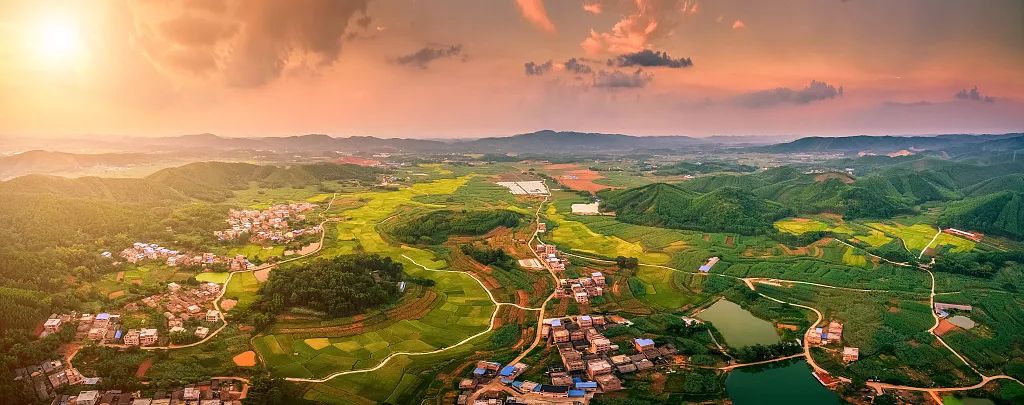
▲ Guangxi Zhuang Autonomous Region has created a new picture of rural revitalization in accordance with the goal of "prosperous industry, ecologically livable, civilized rural customs, effective governance and affluent life". (Source: vision china)
Reporter: Why is common prosperity a remarkable sign that Chinese modernization is different from western modernization? In the process of western modernization, why do some countries have "poverty racialization" formed by the superposition of racial factors and class factors?
Wen Tiejun:China is a super-large continental country with rich geographical resources and complex environmental conditions, and it is also a unified multi-ethnic country. This is a very important feature of Chinese modernization, which is at the physical level.
On the cultural level, we are not a single nation-state or a single colonial country. In Asia, the mono-nation countries are Japan and South Korea, and there are a few island countries, all of which do not have the characteristics of "a vast and vast family".
In the west, the first group of people who fall into poverty and despair are aborigines. Whether in the United States or Canada, the aborigines are not only extinct, but also the only remaining aborigines are basically on reservations, and the reservations are all relatively barren areas. For example, Native American Indians live in the Gobi desert of Arizona, and it is difficult for them to share the fruits of modernization with the colonists.
The second largest group of people are those who are treated as slaves and sold to these colonies in large quantities in the Black Triangle trade, and most of their descendants are also in poverty. Due to poverty, many social contradictions and conflicts broke out between blacks and whites, which led to the detention of mainly colored people, especially the black population, in national prisons.
Countries like the United States fought more than 1,000 battles, large and small, before and after the founding of the People’s Republic of China, most of which were used to destroy the aborigines. Therefore, from the perspective of western countries, especially the leading countries that occupy the dominant position in this world, the emphasis on the so-called principle of "equality for all" actually obscures the common group differences among different nationalities, races and immigrant groups. It can be said that the oppression and deprivation of ethnic groups and even genocide caused by the United States and other western countries in the process of modernization are universal.
In addition, in the west, the problem of social polarization and class solidification caused by the excessive gap between the rich and the poor is very serious. In some countries, social development is stagnant, torn or even turbulent, and the whole economic cycle falls into an inefficient equilibrium.
Therefore, the modernization of western countries is not an example for us to learn from. Chinese-style modernization emphasizes common prosperity, that is, to jump out of this inefficient balance, so that the income of most people can reach the level of moderate wealth, showing a spindle-shaped income distribution structure, ordinary people can change their destiny through their own efforts, and the intergenerational social mobility channels are relatively smooth. In this state, new consumption, new economy and new kinetic energy will be colorful, the internal circulation of production, distribution, mobility and consumption will be smoother, and the economic operation will be more effective, dynamic and healthy.
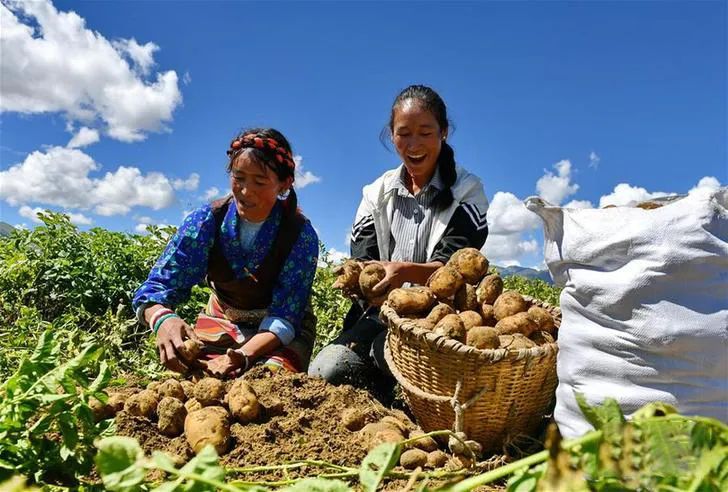
▲ More than 6,000 mu of potatoes in Dongga Township, Sangzhuzi District, Shigatse City, Xizang Autonomous Region, enjoyed a bumper harvest. In 2018, with the support of the eighth batch of Tibetan aid cadres in Qingdao, Shandong Province, Dongga Township established a professional cooperative, which included 280 households with 1048 poverty-stricken people in the township, registered the trademark of "Dongga Potato" to promote the cultivation of organic potatoes and drive the people to get rid of poverty accurately. (Xinhua News Agency, photo by Zhang Yufeng)
Reporter: Looking back at the history of Chinese civilization for thousands of years, what kind of historical and cultural genes are there in the concept of "common prosperity for all people"?Wen Tiejun:The way of farming survival is the symbol of the Chinese nation entering civilization. Wild millet was domesticated in the north 9,800 years ago, and wild rice was domesticated in the south 10,000 years ago. About 10,000 years ago, ancient ancestors in China began to use simple tools to engage in farming, from the Paleolithic Age to the Neolithic Age, and then gradually progressed to the Bronze and Iron Age.
With the change of production tools, people constantly improve their ability to survive by farming. For example, as far as water conservancy, which is the most important for agricultural production, is concerned, when we encounter the dilemma of uneven precipitation, we need to drain water when the water is large and divert water when the water is small. To complete such complicated work, it is impossible to work alone, but we need group cooperation, so we gradually form a group lifestyle.
Taking this group’s way of life as a village, a very important endogenous culture has emerged in the history of China: the village cannot exclude any farmer who lives in the village; In the same way, farmers can’t exclude any member who lives in the family. In this way, the village community takes farmers as member units, and farmers take family individuals as member units, forming a close relationship of coexistence, symbiosis and sharing from village to farmers to individuals.
Why isn’t the West like this? First, the water conservancy conditions in the west are much better than ours. Europe is rich in precipitation, unlike China’s three-step geographical distribution, precipitation is seasonal.
In addition, the western (European) countries are relatively narrow, and people can survive by natural conditions, that is to say, they can completely rely on individuals and single families to maintain their basic survival, and the demand for "common" is not obvious. It is precisely because it is not necessary to coexist and coexist, so there is not much emphasis on sharing.
Later, about 4,000 years ago, there was a great climate cooling in the world. The north was covered with ice and snow, and nomadic groups living on the northern prairie went south one after another, including one of the horse-drawn chariots, the Aryans, which formed today’s Greece.
Westerners regard Greek civilization as their early civilization, which refers to the civilization formed by Aryans going south. This nation is not good at farming, but good at fighting. They turned 90% of the aborigines who used to live in the Peloponnesian plain in Greece into slaves, while they established polis in the coastal areas, enslaved the aborigines outside the castle in the polis.
It can be seen from this that, unlike the West, countries based on Chinese civilization have never been war-oriented, but are United, mutually supportive and symbiotic.
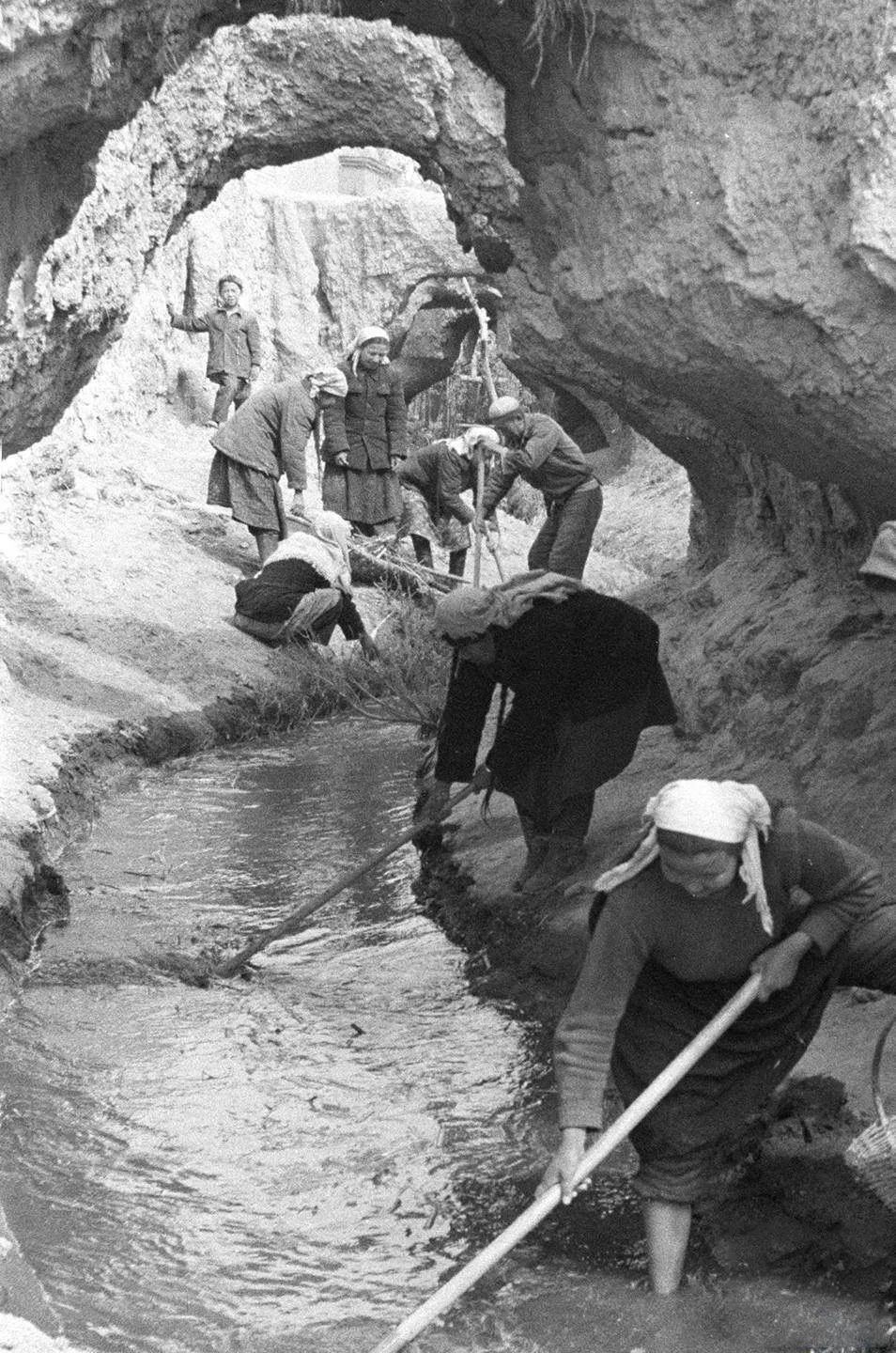
▲ In 1963, the people in Turpan, Xinjiang were renovating the Karez channel. (Source: Xinhua News Agency)
Reporter: Since the founding of New China, a series of measures have been formulated and implemented for ethnic areas, and great achievements have been made. What are the historical and practical considerations in the formulation of these policies?Wen Tiejun:"Common prosperity" requires that "no nation can be left behind" and "all families should live a good life", ensuring that no nation can fall behind in the process of modernization. Whether it is the national counterpart aid to Tibet and Xinjiang that has been adhered to for more than 30 years, or the counterpart poverty alleviation cooperation that has created the experience of Fujian and Ningxia; It is a successful practice of China’s ethnic policy to pave the way to school only for dozens of Yi children in the depths of Daliangshan, or to open the Dulongjiang Highway for more than 7,000 Dulong people in Nujiang, Yunnan.
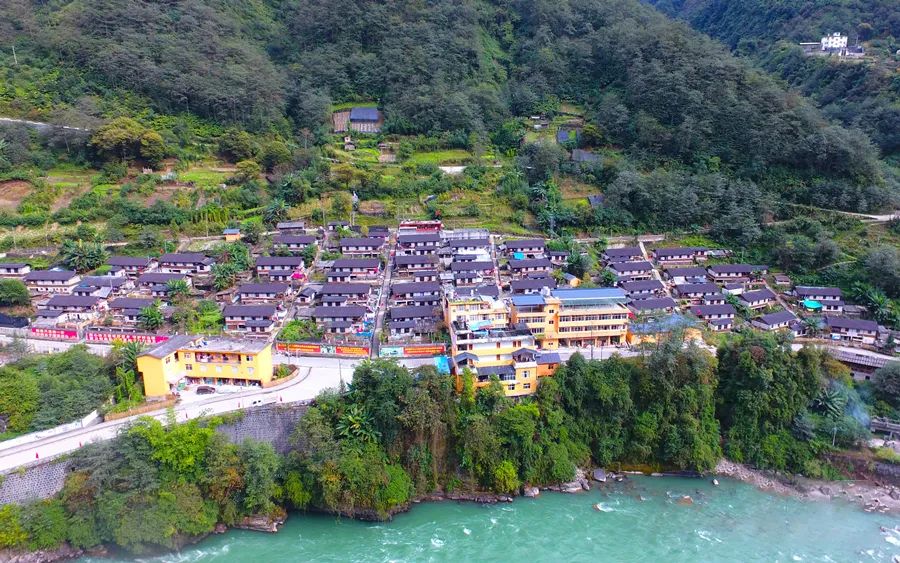
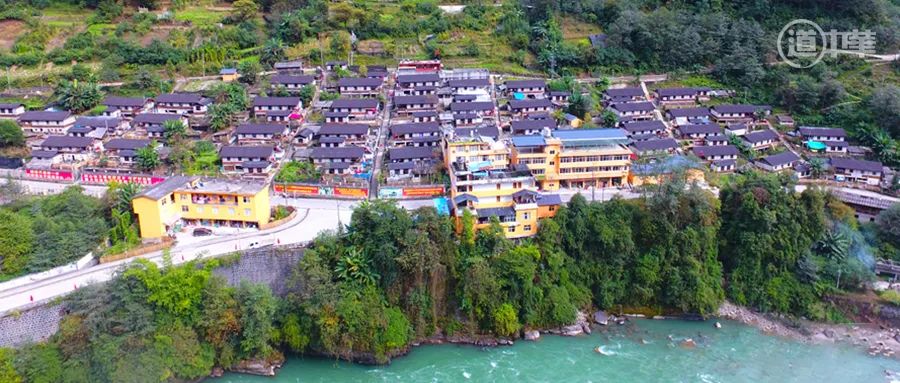
▲ Villages along the Dulong River in Nujiang Lisu Autonomous Prefecture, Yunnan Province. (Photo by Xinhuanet Zhao Pufan)
In 1935, Hu Huanyong, a human geographer in China, drew a dividing line from Heihe River in the northeast to Tengchong in the southwest, which was called "Hu Huanyong Line" by academic circles.
Taking the "Hu Huanyong Line" as the dividing line, the southeast region has become a developed agricultural region with extensive water system irrigation, with remarkable development of transportation and towns, and increasingly prosperous production industries such as textiles and porcelain, which have nurtured and nourished a large number of people. In northwest China, however, the phenomenon of land desertification caused by drought is becoming more and more serious, the traffic is blocked, the towns are sparse, agriculture is widely planted, animal husbandry depends on the sky for food, and the population development is slow.
The agricultural development of the Central Plains Dynasty in the northwest region had limited influence on the economic development of the northwest region. Most of the traditional societies of ethnic minorities are in a closed state, and a large number of natural resources are incapable of development and utilization. Therefore, the development gap between the southeast region and the northwest region is increasingly obvious, and this situation has not changed until China stepped into the threshold of modern history.
How to solve the problem of "Hu Huanyong Line" is also a problem that the Communist Party of China (CPC) has been trying to solve since the founding of New China.
In order to study how to break this rule, China, a "vast and vast country", must make overall planning and give full play to the advantages of the "national system", so that ordinary people in the central and western regions do not have to leave their homes and take the southeast route, but should share modernization at their own doorstep and realize the modernization of their homes.
After the founding of New China, the state implemented the system of regional ethnic autonomy in the western region, especially in areas where ethnic minorities live in concentrated communities, which initially laid the regional economic conditions for mutual help and cooperative development among ethnic groups. In the first five-year plan for the development of the national economy, the state has specifically determined the implementation opinions to guide ethnic areas and put forward development goals focusing on agriculture, animal husbandry, trade and transportation.
After the Third Plenary Session of the Eleventh Central Committee, supporting and helping the economic development of ethnic areas has also entered a new stage. For example, in 1977, the state set up subsidies for border construction, and in 1979, a national border defense work conference was held to put forward the policy of "counterpart support" for western ethnic areas in relatively developed provinces and cities in the east. These policies and measures reflect the scientific attitude from the reality of ethnic areas, with the aim of narrowing the development gap between regions and ethnic groups and realizing the common prosperity of all ethnic groups.
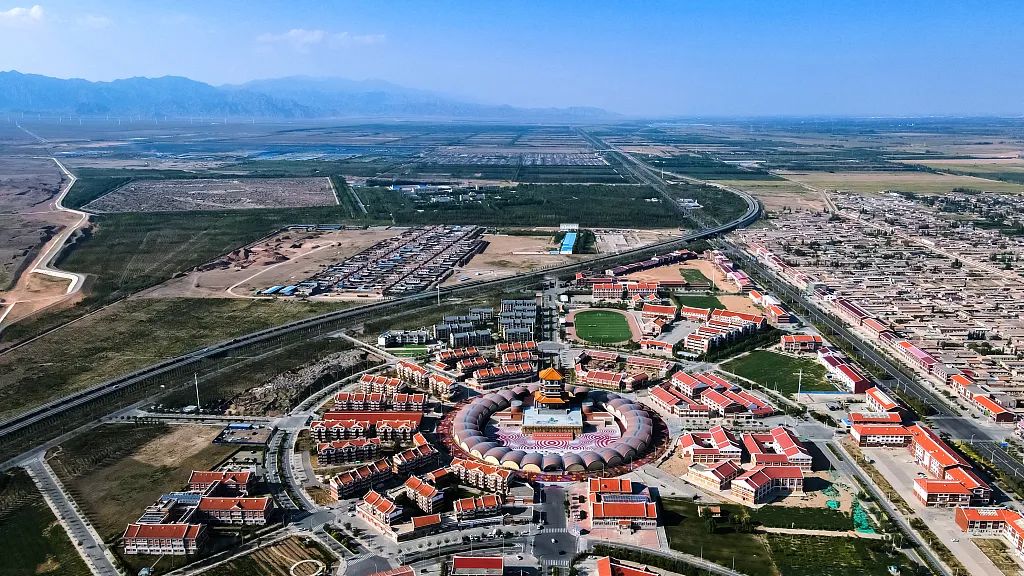
▲ In 1996, Fujian Province and Ningxia Hui Autonomous Region established a counterpart cooperation relationship, which opened the "Min-Ning model" of poverty alleviation cooperation between the east and the west of China and became a model of poverty alleviation cooperation and counterpart support between the east and the west. (Source: vision china)
In particular, the border construction project initiated by the State Ethnic Affairs Commission, the Ministry of Finance and other departments in 1999, the Outline of the National Action Plan for Prospering the Border and Enriching the People, and the Development Plan for Supporting Ethnic Minorities with Less Population, which were launched at the same time, all aimed at making the people of all ethnic groups get rid of poverty and become rich as soon as possible through special policies.
Since the 18th National Congress of the Communist Party of China, through precise poverty alleviation, we have created a miracle in history. Under the current standards, 98.99 million rural poor people have all been lifted out of poverty, and China has bid farewell to absolute poverty historically. Whether it is the snowy plateau, the Gobi desert, or the precipice and the rocky mountain area, the sunshine of poverty alleviation shines on every corner. We have fulfilled the solemn promise that "no nation can be left behind", and the people of all ethnic groups in China have entered a well-off society together, starting a new journey of building a socialist modern country in an all-round way.
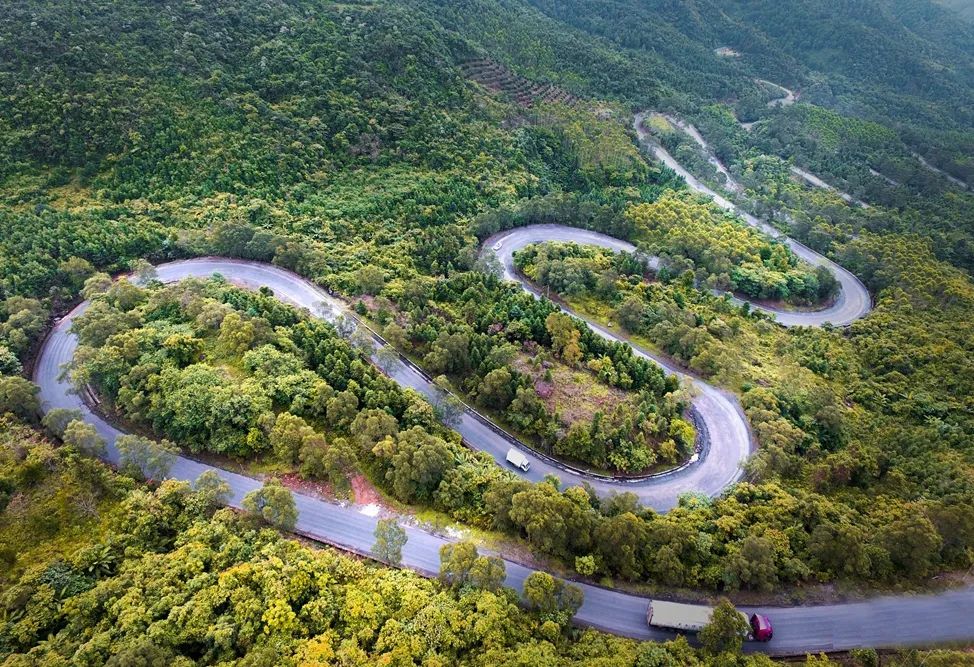
▲ The total length of the highway along the border in Guangxi is 725 kilometers, which is the landmark project of the first border construction conference in Guangxi in 2000 -2002. The picture shows the upgraded border highway G219 from Dongxing to Napo Ma ‘an ‘ao. (Source: Transportation Department of Guangxi Zhuang Autonomous Region)
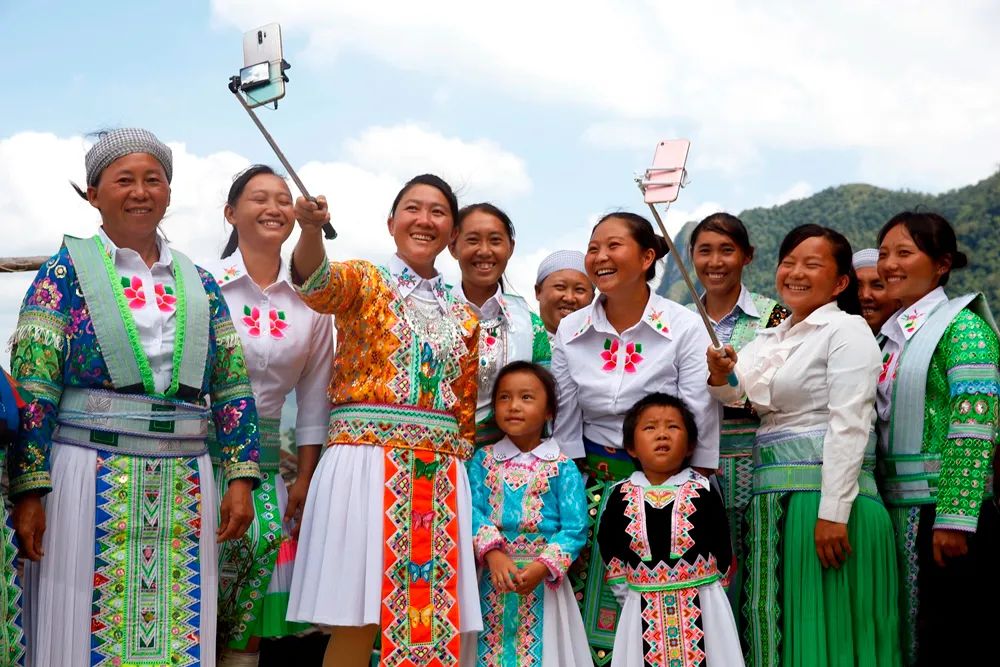
▲ In December 2019, Guangxi land border ports and border villages achieved full coverage of 4G networks. The picture shows people taking selfies with their mobile phones in Bainan Township, Napo County, and feeling the beautiful life brought by the development of science and technology. (Photo by Xinhuanet Li Yongfeng)
Reporter: The economic foundation determines the superstructure, and development is the key to solve various problems in ethnic areas. What kind of development path should we take today?Wen Tiejun:For a unified multi-ethnic country, or for the Chinese nation, which is a pluralistic and integrated family, poverty eradication and common prosperity are the cornerstones of maintaining unity and consolidating integration, while local conditions and differential support are the essential conditions and processes for achieving unity and cohesion.
Today, we talk about "common prosperity", which is a higher level of development requirements. Different from the western development of industrialization at the expense of destroying the ecological environment and plundering resources under the control of capital, our economic development should be combined with the harmonious coexistence between man and nature, and with the realistic conditions such as geographical resources, climate conditions and resource endowment in ethnic areas.
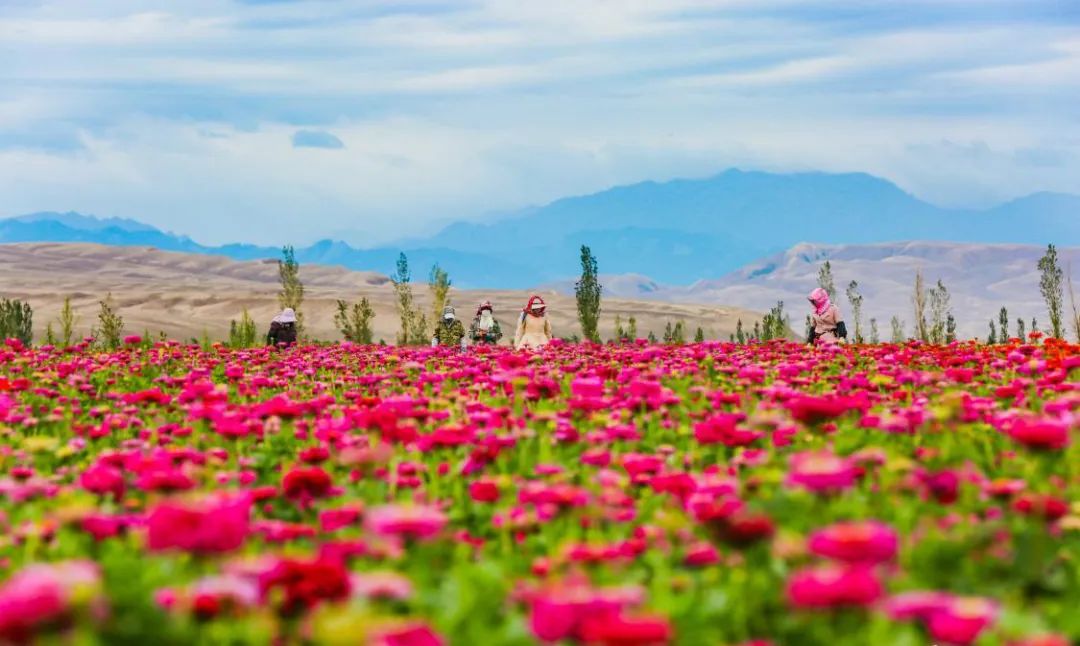
▲ In Tianshan Huahai Scenic Area, Shitizi Township, Hutubi County, Changji Hui Autonomous Prefecture, Xinjiang Uygur Autonomous Region, farmers are weeding in the flower sea. The county combines the flower industry with tourism, which broadens the channels for local farmers and herdsmen to increase their income and get rich, and effectively promotes the local economic development. (Photo by Guangming. com and Tao Weiming)
At the same time, it is also different from the serious tendency of "attaching importance to material and neglecting spirit" and "attaching importance to individual and neglecting collective" in the process of western modernization. Our development is not guided by money, but requires "all-round enrichment of things" and "all-round development of people" at the same time, paying more attention to the role of humanistic spirit in social education and cohesion.

Interviewee profile:
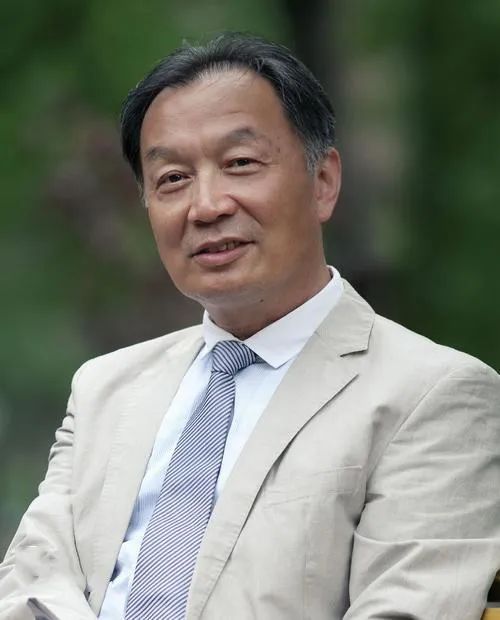
Wen Tiejun, Executive Dean of China Rural Construction College of Southwest University and Chief Researcher of Rural Revitalization Research Institute of Jinan University.