The virus swarms around, beware of human metapneumovirus.
Original doctor Lin Jie breathing angel
As winter and spring arrive, respiratory diseases begin to cluster again. In addition to the flu, when children have symptoms of repeated fever, there may be other viral infections, such as rhinovirus, parainfluenza virus, adenovirus, and human metapneumovirus and other popular pathogens.
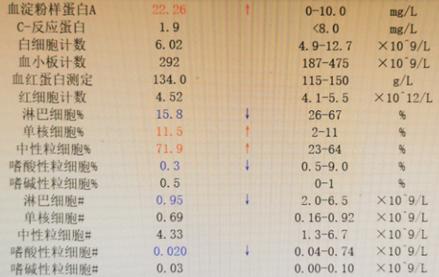
I met a 5-year-old boy in the outpatient clinic. He had a fever for 5 days, accompanied by cough and runny nose. After taking oseltamivir at home for 3 days, he didn’t get better, so he checked his blood routine, CRP, SAA and respiratory nucleic acid detection. The results showed that the total number of white blood cells was normal, CRP was normal, SAA was high, and human metapneumovirus (+) was confirmed by etiology.

Human metapneumovirus (HMPV) is a virus that causes acute respiratory infection, mainly affecting infants, young children and people with weak immune system. It may cause bronchiolitis, asthma and pneumonia. At the same time, HMPV infection is seasonal and usually occurs in late winter and the whole spring.
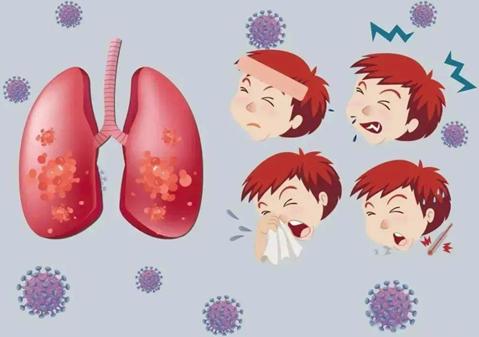
The transmission routes of HMPV are: secretions when coughing and sneezing; Intimate contact, such as touching or shaking hands; Contact with the mouth, nose or eyes after contact with the surface of the object with the virus, the incubation period is 3-9 days, and the family transmission efficiency is high, and the disease can usually occur within 5 days.
Clinical symptoms after HMPV infection:
After being infected with HMPV, most of the infected people have cough, stuffy nose, runny nose, low fever and other similar cold symptoms for 3-5 days, and most of the symptoms will disappear within 1-2 weeks. Children’s infections are most commonly manifested as upper respiratory symptoms, including cough, runny nose, pharyngeal congestion and sore throat.
The most common diseases of lower respiratory tract caused by HMPV are bronchiolitis, bronchitis, pneumonia and asthma attack, and patients are often hospitalized for bronchiolitis and pneumonia. For healthy adults, the infection is usually mild, and the symptoms will subside within one to two weeks. However, for susceptible people, such as young children, the elderly and people with impaired immune system, HMPV infection may be more serious. HMPV can cause infection alone or simultaneously with other respiratory viruses. If combined with HMPV infection, it may increase the risk of pneumonia in children.
Prevention and treatment of HMPV;
At present, the treatment of HMPV is mainly symptomatic support therapy. Including giving antipyretic drugs, intravenous rehydration, oxygen inhalation and other measures. At present, there is no special vaccine to prevent HMPV. In the absence of vaccine protection, protection in daily life becomes particularly important.
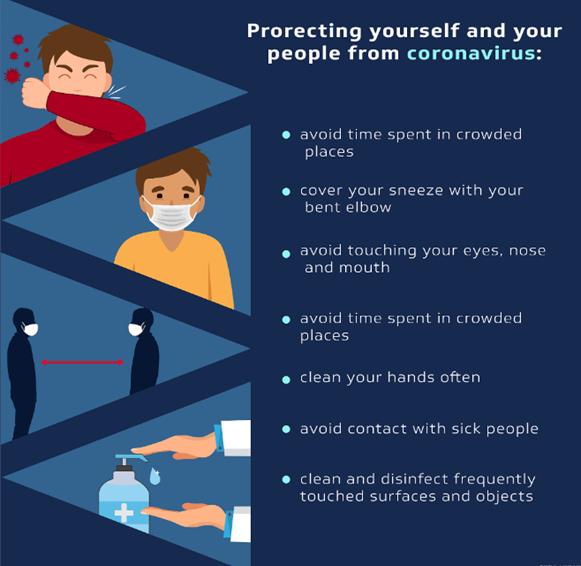
One of the best ways to prevent HMPV infection is to follow good hygiene habits, such as washing hands frequently, wearing masks, avoiding close contact with virus-infected people, and avoiding touching eyes, nose and mouth. Susceptible people should pay attention to wearing masks when going out, go to crowded places less, and pay attention to maintaining personal hygiene. At the same time, improve your immunity, maintain a healthy lifestyle, have a balanced diet and exercise moderately. Don’t worry too much about this virus. Human metapneumovirus infection is similar to respiratory infection caused by other viruses, so it can be well protected in daily life.
author

Attending physician Lin Jie
He mainly focuses on the diagnosis, treatment and follow-up of asthma in children, and is good at using 24-hour esophageal PH monitoring to diagnose and treat throat reflux diseases. At the same time, he is good at the diagnosis and treatment of children’s respiratory diseases, including infectious diseases such as tracheitis and pneumonia, chronic cough and respiratory allergic diseases.
Read the original text